Forests

An unmatched learning landscape

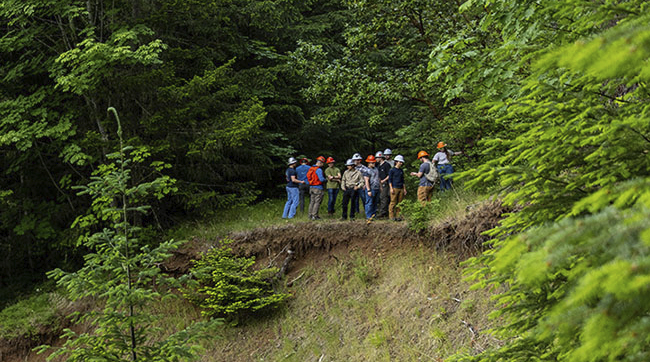
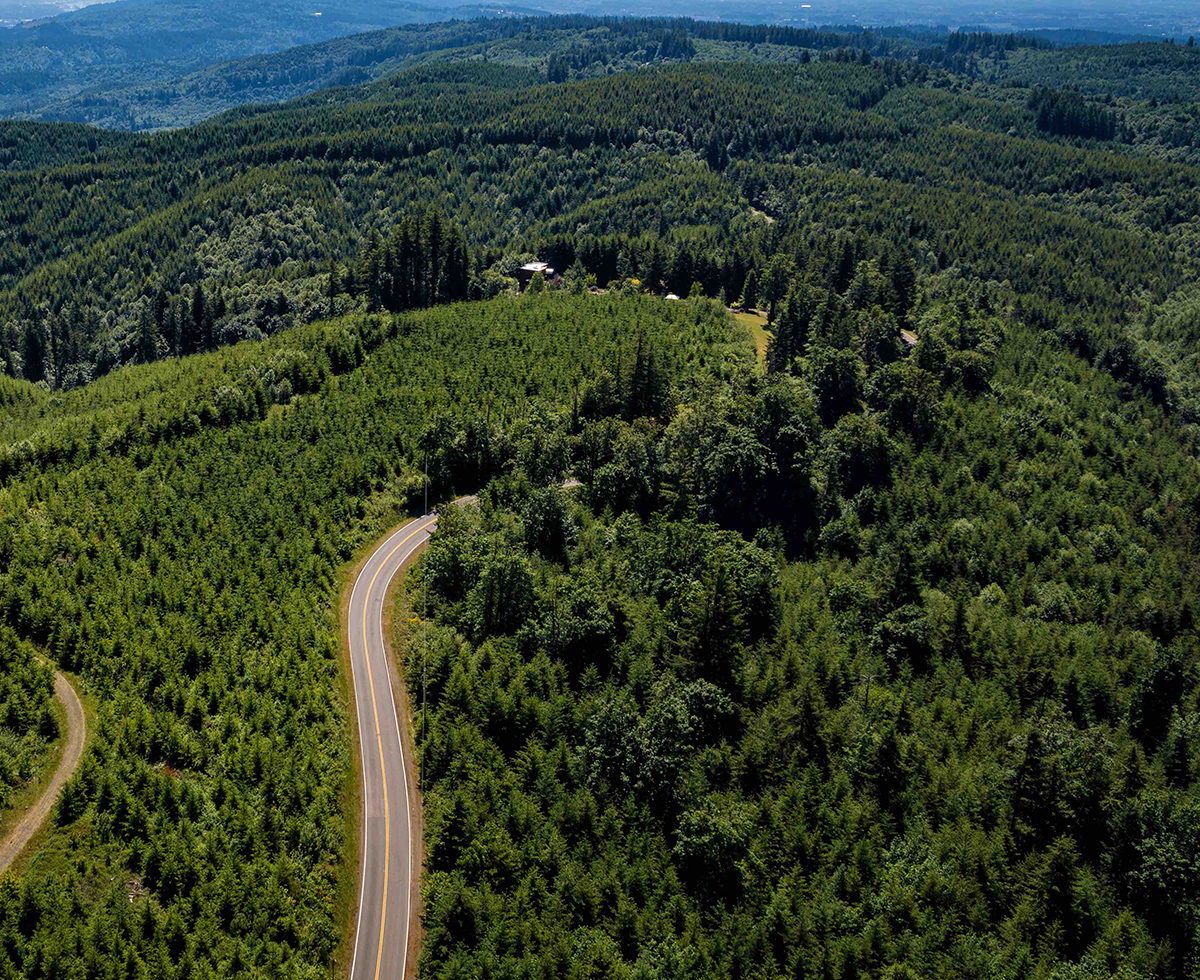
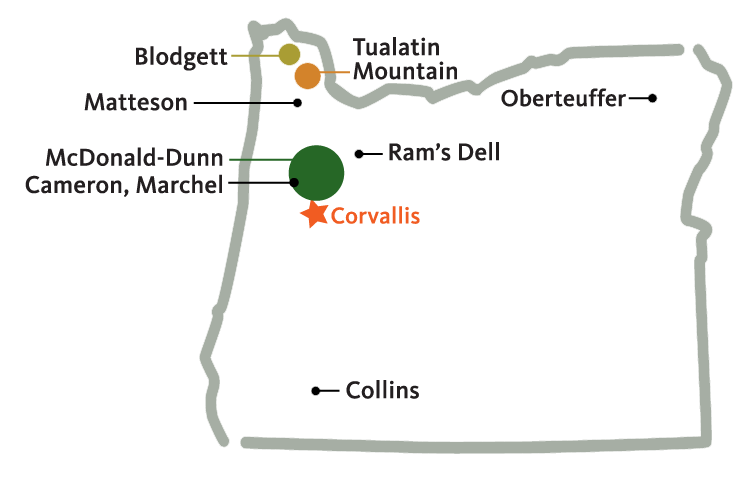
The Oregon State University College of Forestry's research and demonstration forests are a resource that is unmatched by any other natural resources, forestry or environmental science program in the country. From the McDonald-Dunn Forest just 15 minutes from the Corvallis campus to nine additional tracts across the state, these forests offer hands-on experiences that connect classroom learning to real-world environmental challenges. 

18,000

acres of forestland across Oregon

10

individual research forest tracts 

200,000+

annual recreational visitors

Interactive Map of forests across Oregon blodgett tualatin-mountain matteson mcdonald-dunn cameron marchel rams-dell obertueffer collins

Forests across Oregon
Impact around the world

The OSU Research Forests are living laboratories that are actively managed to support multiple values including education, biodiversity, recreation, wildlife habitat, carbon sequestration and forest health. Timber harvests are one part of a broader, science-based management strategy that demonstrates sustainable silvicultural practices and fosters multi-aged, multi-species landscapes. These harvests also generate the revenue that makes the forests financially self-sustaining — allowing them to operate without funding from the university, the College of Forestry, the state of Oregon or taxpayers. 

Click the name of each forest on the map to learn more.

What the forests are teaching us

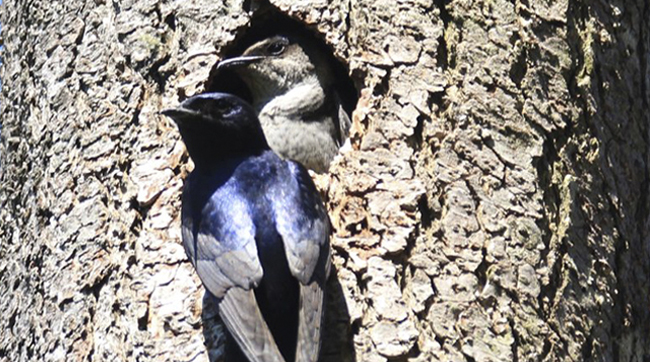
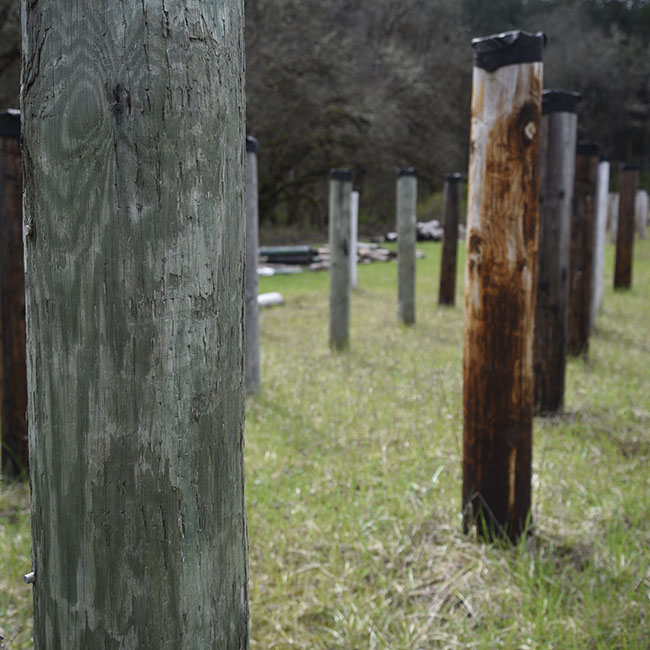
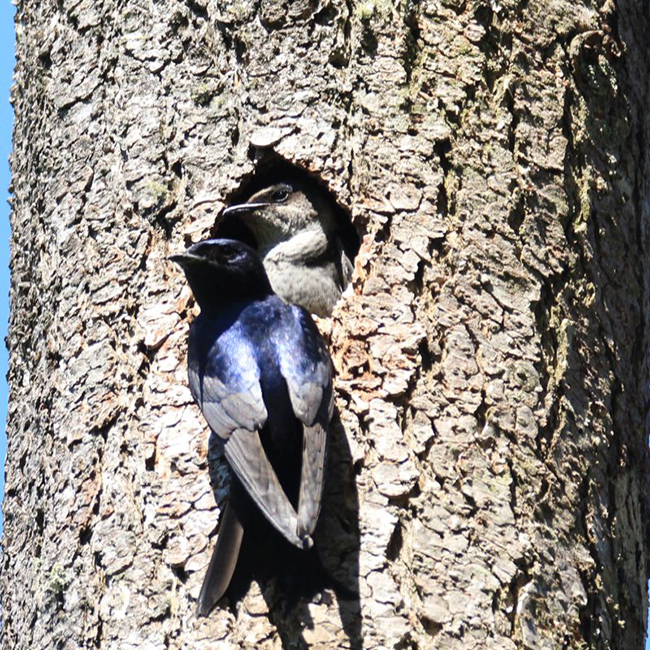
You may not always see it, but research is happening every day across OSU’s statewide network of 10 research and demonstration forests. We balance research, demonstration and education — finding solutions to pressing problems, testing management approaches, informing industry practices and preparing the next generation of forest leaders. Dozens of studies are underway each year. 

Swipe through for a glimpse of what we’re learning.
100 years of discovery

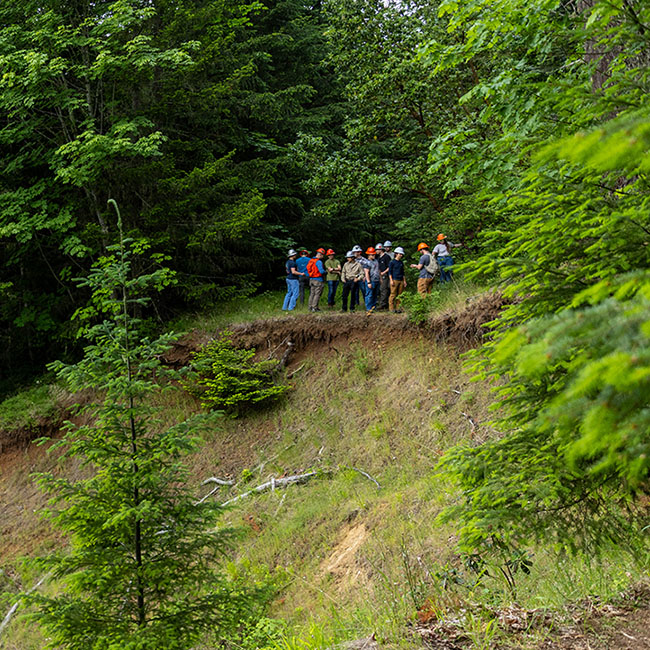
The OSU Research Forests have been home to hundreds of research projects, and also serve as hands-on demonstration sites for a wide range of forest management techniques. These demonstrations help prepare the next generation of forestry and natural resources professionals for the full range of management scenarios they may encounter, while also supporting OSU Extension’s work to educate forest landowners across Oregon in effective, science-based stewardship. Through it's management of the research forests, the College of Forestry aspires to: 

Create opportunities for education, research and outreach to address the economic, social and environmental values of current and future generations of Oregonians and beyond.

Demonstrate how an actively and sustainably managed forest fosters economic prosperity, biodiversity conservation and resilience amidst disturbances and global change.

Support social and cultural values of forests, enhancing the wellbeing of local communities, Tribal communities and society.

Balancing active management and recreation

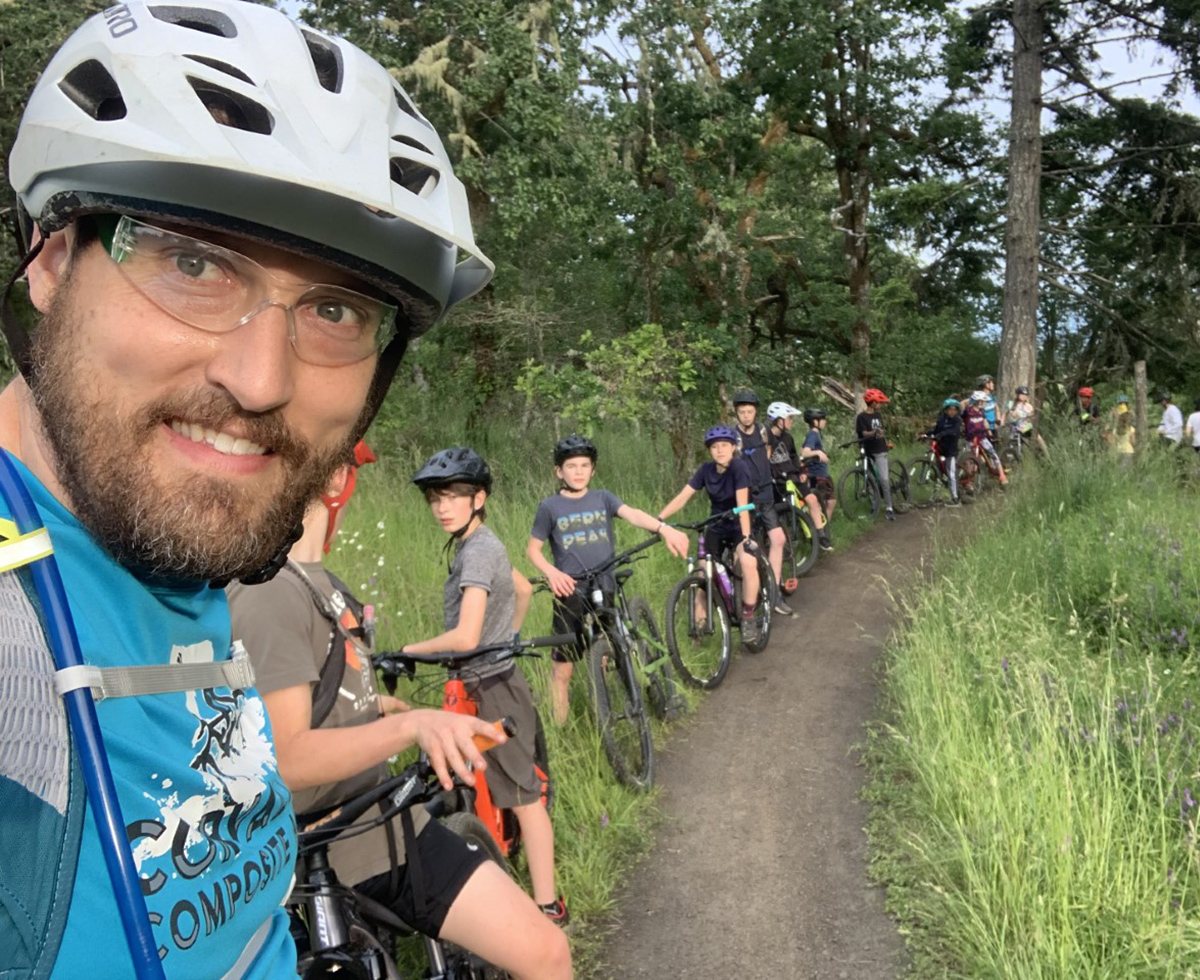
Forestry is one of the few types of land management compatible with recreation. While OSU’s Research Forests are not parks or preserves, they are actively managed working landscapes that demonstrate how access to nature can coexist with research, education and sustainable forest management. For decades, the College of Forestry has welcomed the community to explore and learn from these living laboratories.

Learn more about recreational opportunities in the OSU Research Forests below.

The H.J. Andrews and OSU Research Forests: a partnership in discovery

Image
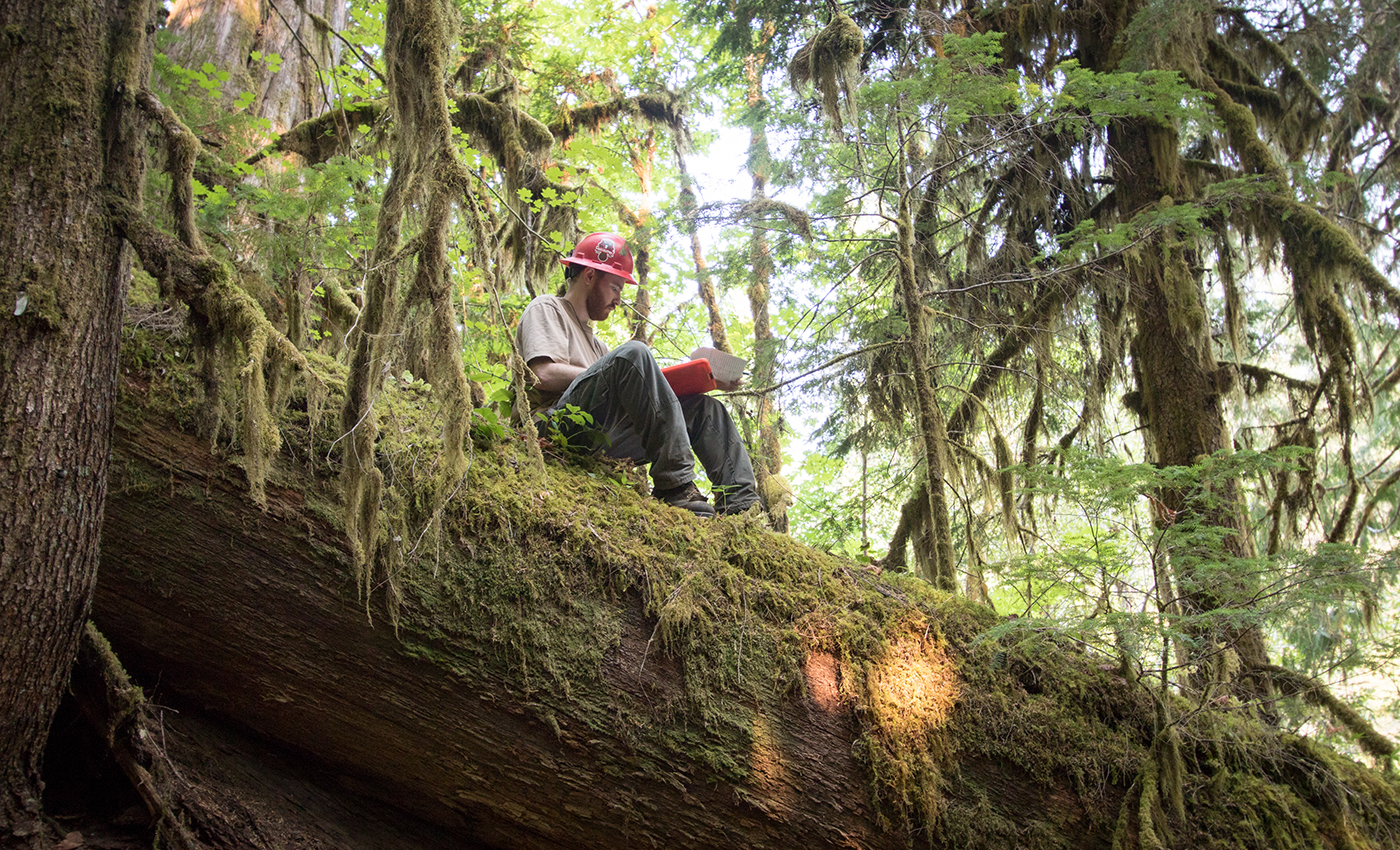
researcher in HJ Andrews

The College of Forestry also collaborates on long-term ecological research at the H.J. Andrews Experimental Forest in Oregon’s Cascade Mountains. Administered cooperatively by Oregon State University, the U.S. Forest Service and the Willamette National Forest, the Andrews studies how forests and streams respond to climate, disturbance and time — linking science with the arts and humanities to explore people’s connections to nature. Alongside the OSU Research Forests, these collaborations unite long-term research with real-world application, advancing forest knowledge from classroom to landscape.