Centennial

McDonald Forest: Celebrating 100 Years

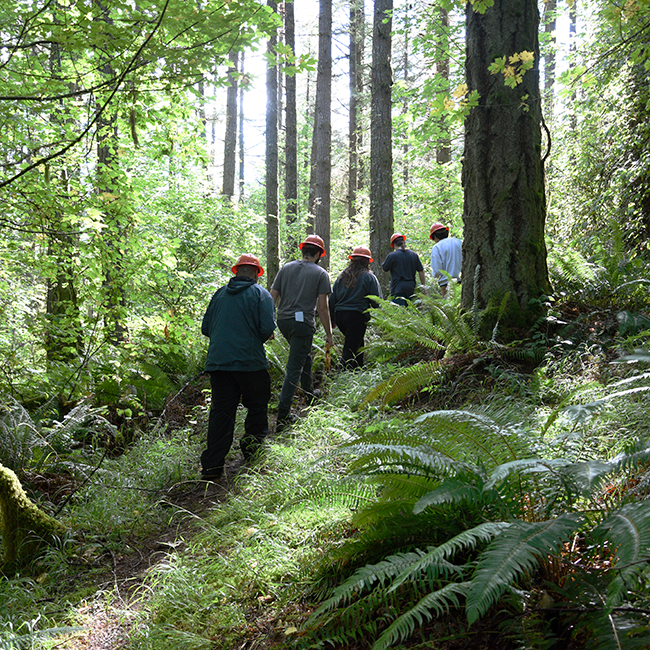
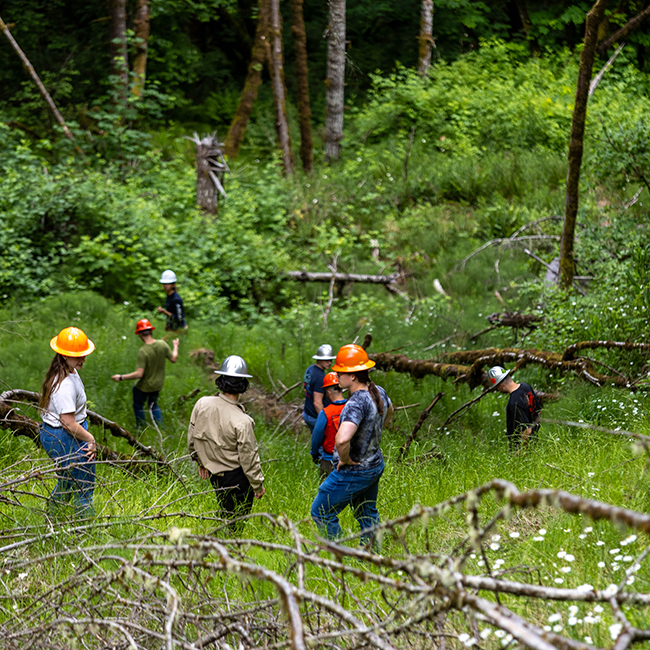
From the first 80-acre parcel acquired by OSU in 1926 to today’s statewide network of 10 research forests spanning 18,000 acres, the McDonald Forest has shaped a lasting legacy. For generations, the forest has been foundational to the College of Forestry’s teaching, research and outreach mission, connecting students and researchers to real-world forest management challenges, informing forest practices in the Pacific Northwest and serving as a place where the Corvallis community connects with nature.

Join us as we reflect on the past and look toward the next century of discovery.

Upcoming centennial events:

 
Image
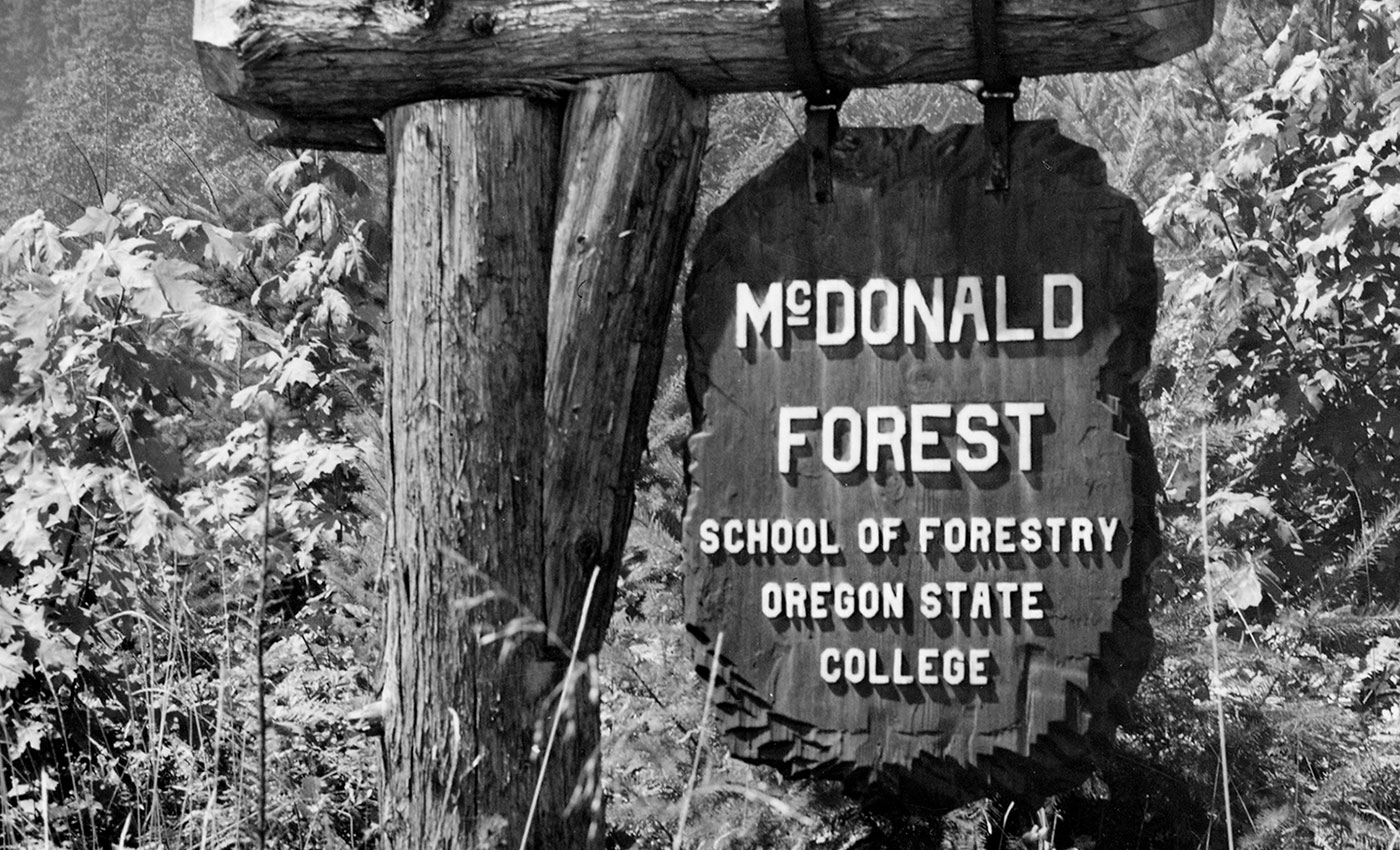
McDonald Forest Signpost

The foundations of a working research forest network

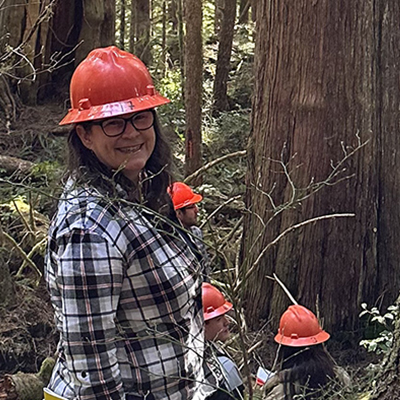
In the early 20th century, College of Forestry Dean George W. Peavy envisioned an actively managed research and demonstration forest — a living laboratory where students learn in the field, scientists translate research into practice and Oregonians connect with nature. That vision began to take shape in the 1920s through early land acquisitions, philanthropic support and a commitment to science-based stewardship.

Over time, the McDonald Forest became central to how forestry and natural resources are studied, taught and practiced at Oregon State University, ultimately serving as a model for what would become the university’s statewide network of research and demonstration forests.

Today, sustainably and actively managed together with the Dunn Forest as the 11,500-acre McDonald-Dunn Research Forest, the landscape provides a wide range of forest conditions that support research, education and demonstration activities. It also supplies the region with wood products through sustainable timber harvests that help fund forest operations and welcomes more than 200,000 recreational visitors each year.

A century of lifechanging experiences 

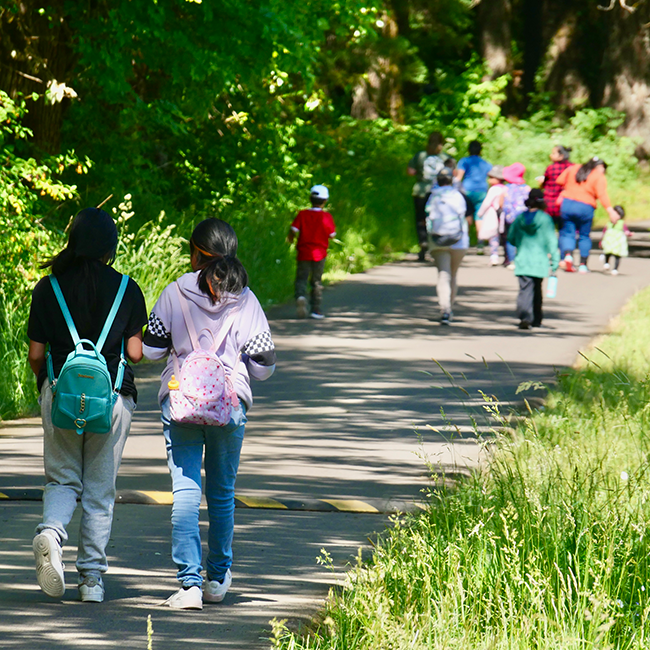
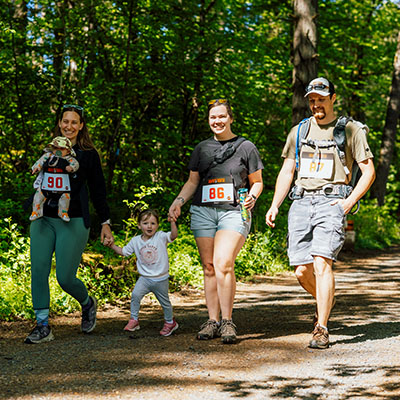
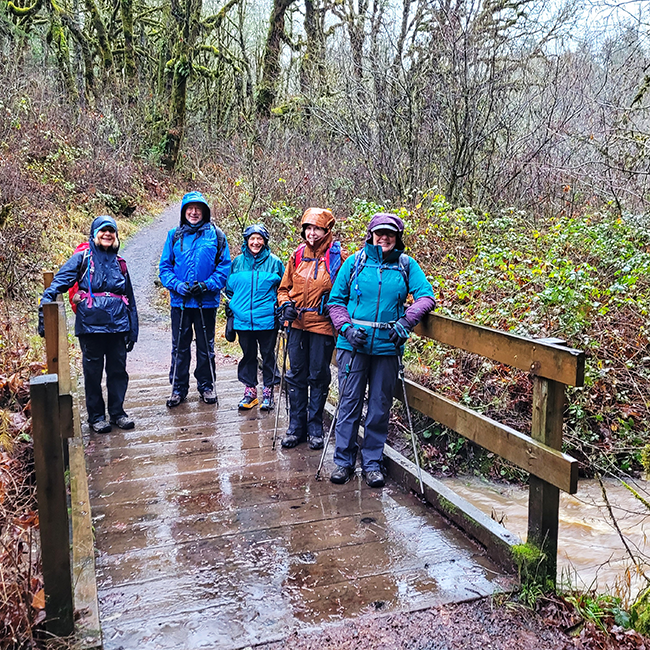
It’s hard to imagine the College of Forestry — or Corvallis — without the McDonald Forest. Beyond its role in research and teaching, the forest has been woven into daily life for generations as a gathering place for clubs and camps, a training ground for professionals, and a place for hikers, runners, cyclists, equestrians and families to connect with nature. With learning, stewardship and recreation intersecting year-round, it helps people understand forests not only as ecosystems, but as working landscapes that sustainably provide the wood products that support modern life. For many, the McDonald Forest is where curiosity took root, skills were sharpened and lifelong connections to forests — and one another — began.

Scroll through the stories and photos below to see what the McDonald-Dunn Research Forest means to others, and consider sharing your own.
Make a gift to support the next century of discovery

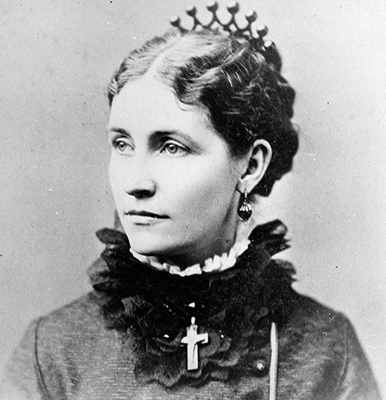
The vision for the McDonald Forest we know today was realized more than 100 years ago because of a generous gift from Mary McDonald, whose support helped establish this forest as a place for research, education and public access. As we enter the next century of discovery, we invite you to help carry this legacy forward. Your support expands educational opportunities, improves infrastructure and interpretation, and helps ensure the forest remains accessible, welcoming and sustainably stewarded for the many values it supports. 

When making your gift, please note "Research Forest Fund" in the "I want to give to..." line. We also invite you to share why you’re donating or what the forest means to you in the notes, so we can share your story with others.


Show your love for the McDonald Forest

Image
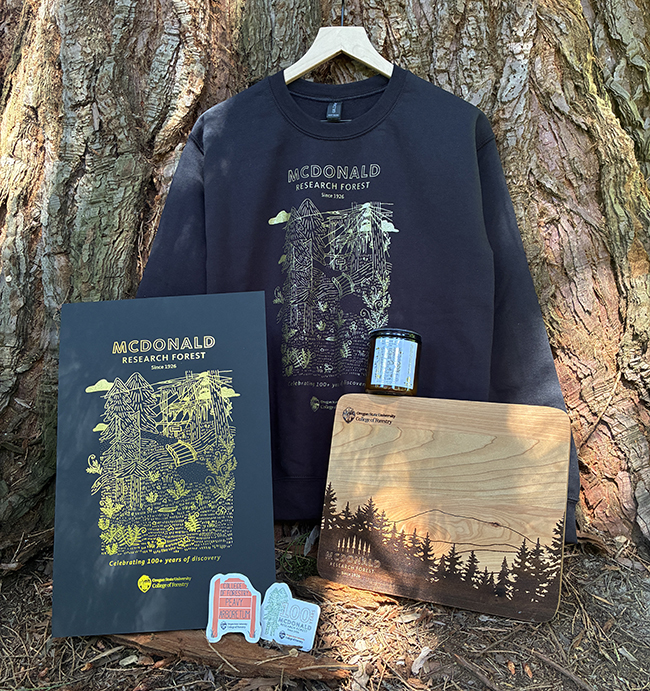
Centennial merchandise for sale

Honor the canopy, celebrate the century and take home a keepsake. Shop the centennial collection and let your love for the McDonald Forest show.