McDonald Forest History and Timeline

McDonald Forest 1926-2026: A Century of Stewardship and Discovery

When Oregon State University began acquiring land for what would become the McDonald Forest in 1926, much of the landscape was cut over and bore little resemblance to the forest seen today. Over the next century, careful, active stewardship — guided by a vision to integrate research, education and forest management — transformed the landscape into a living learning environment.

Explore the decades below to see how the McDonald Forest has evolved over time, responding to changing science, societal needs and public use while remaining rooted in its founding purpose.

Image
McDonald Research Forest shield
Image
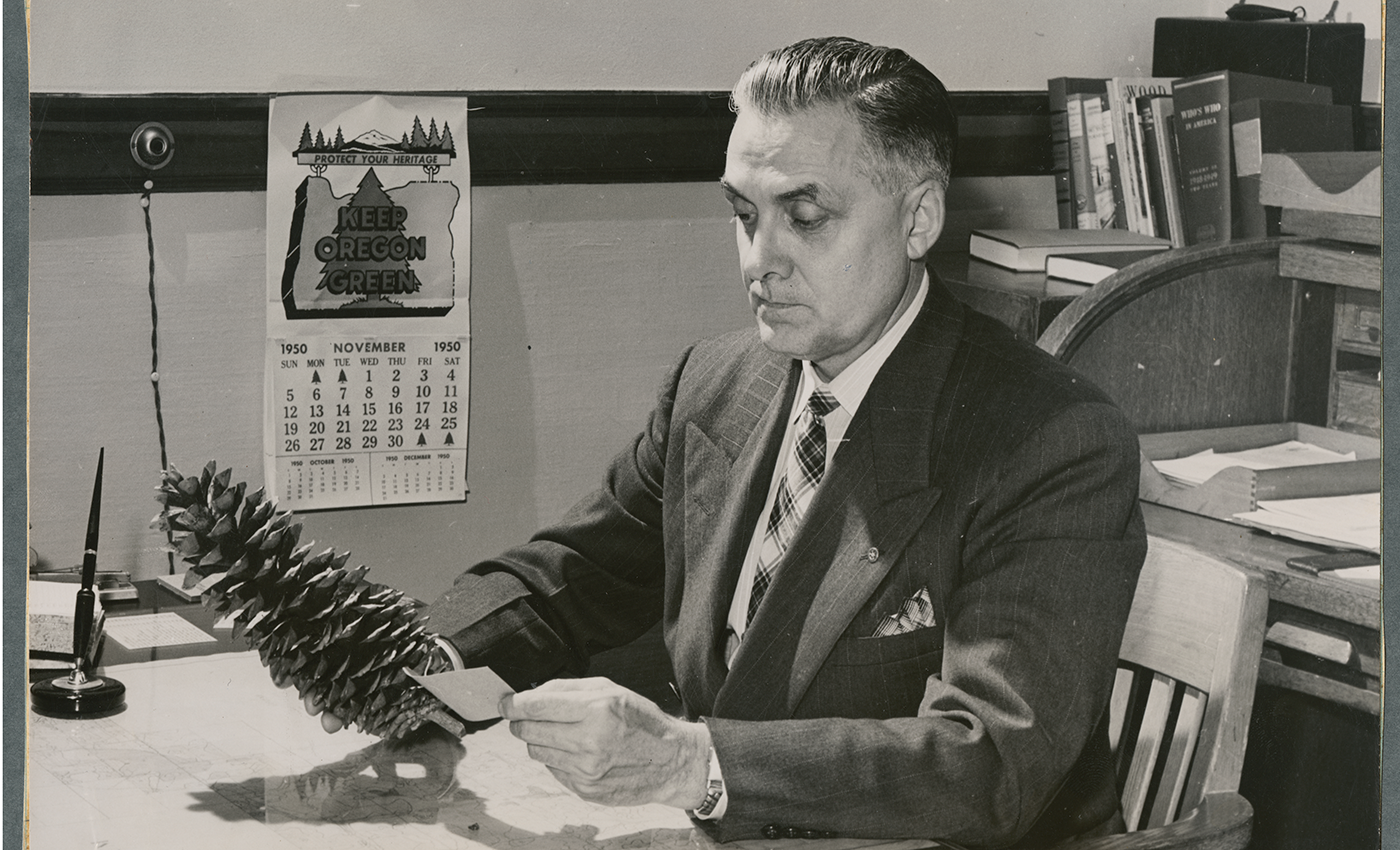
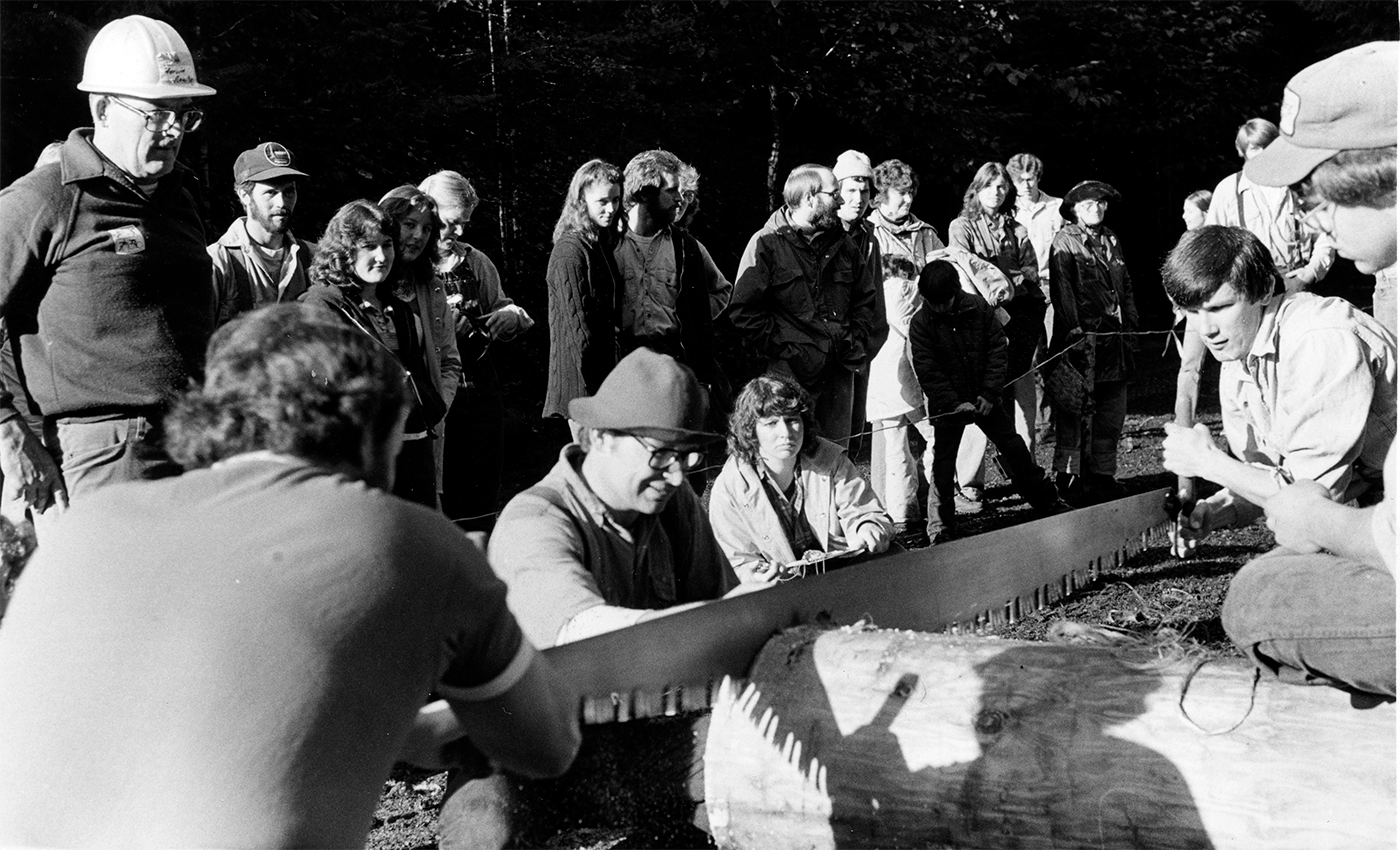
Peavy montage

Early 1920s: A Vision for a Living Laboratory

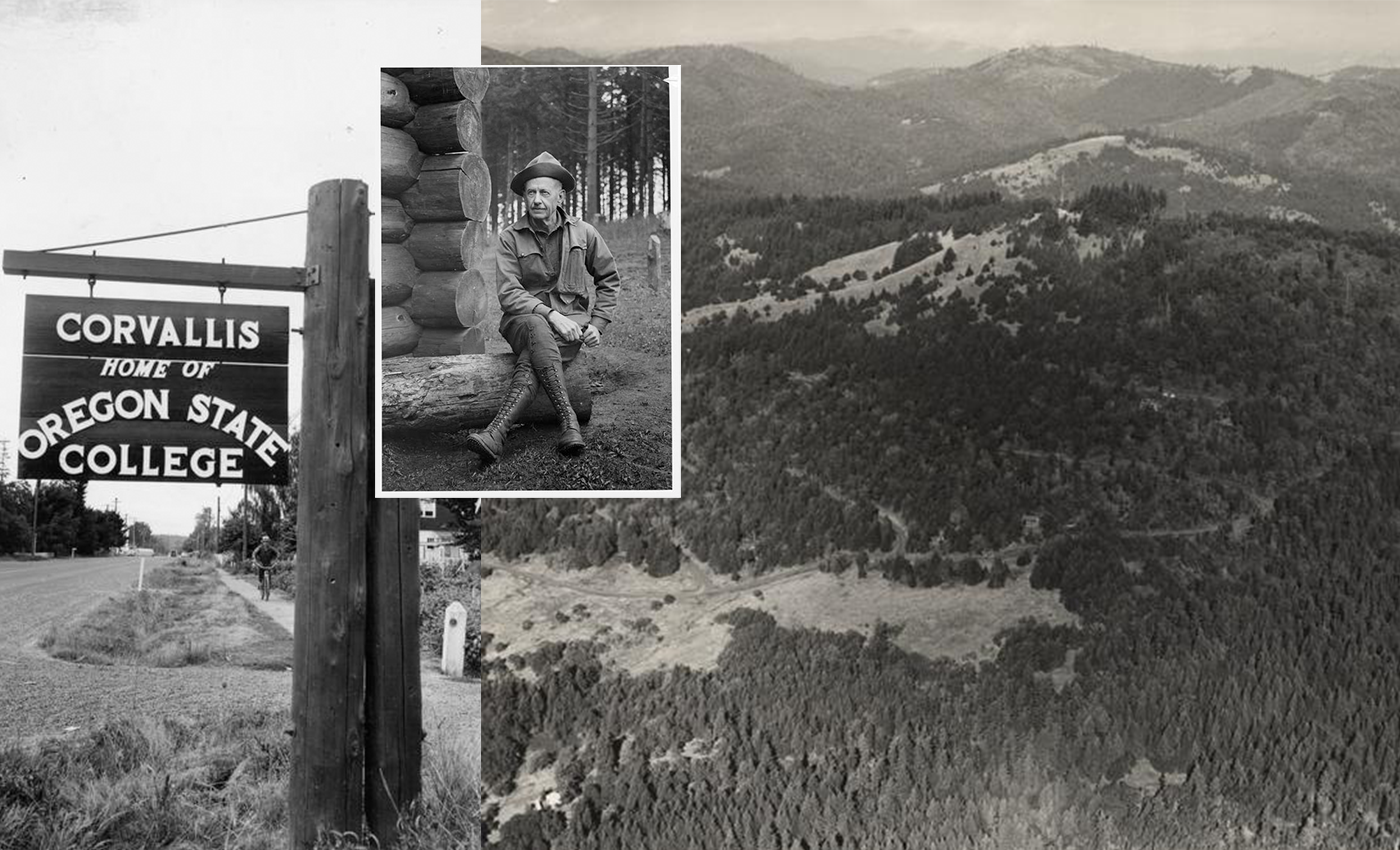
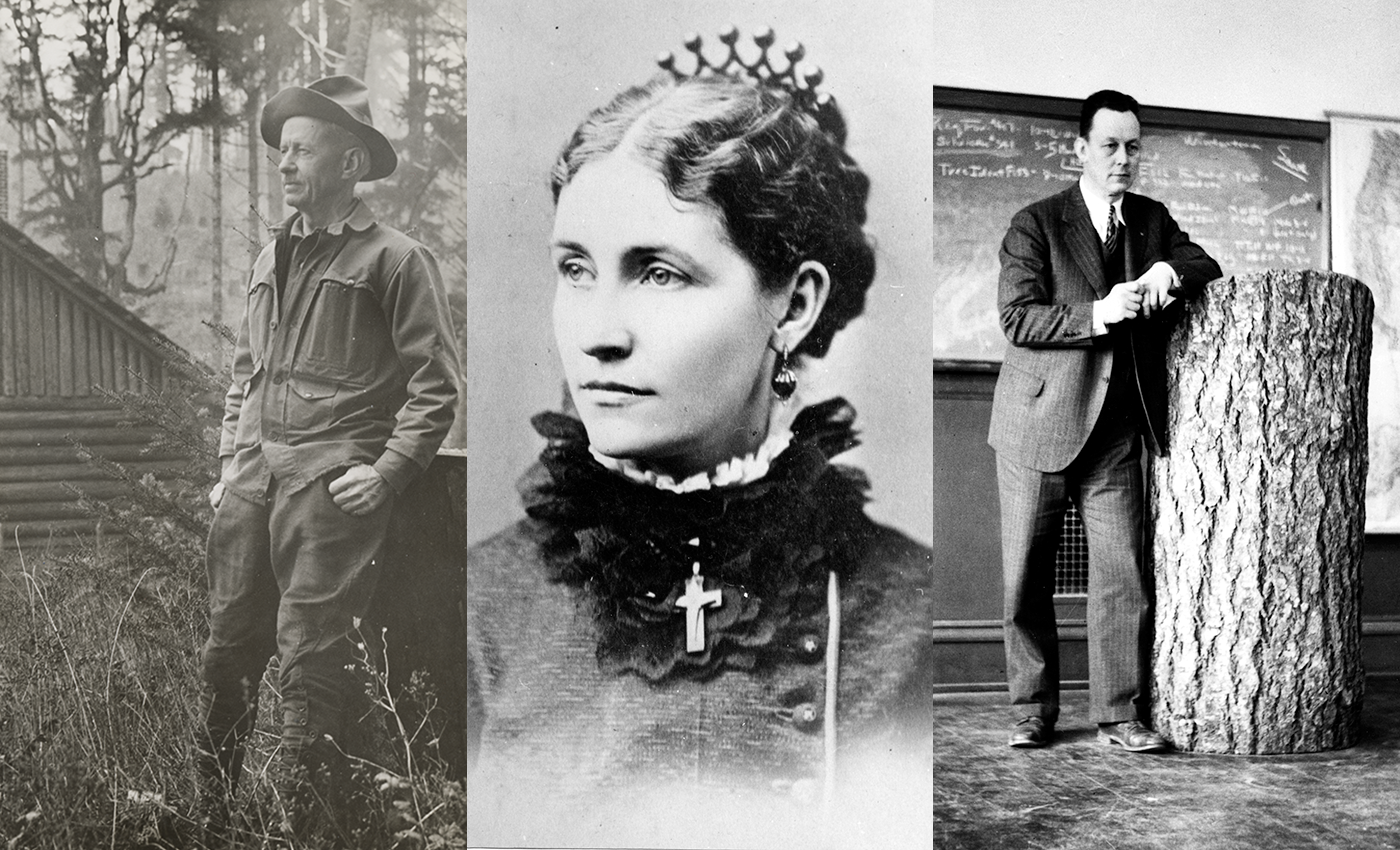
College of Forestry Dean George Peavy envisioned a forest close to campus that could serve as a teaching and research forest — a living laboratory where students could learn in the field and faculty could link classroom knowledge with real forest conditions. In 1924, the Board of Regents of Oregon State Agricultural College (now Oregon State University) appropriated funds to purchase 80 acres north of Corvallis, establishing Peavy Arboretum as a hub for education and field work. Prior to this, forestry classes often traveled long distances for field experiences. Peavy’s idea was to create a forest environment that supported hands-on forestry instruction and community connection to the land.

1926: The Beginnings of the McDonald Forest

After Peavy Arboretum was established, Dean George Peavy and alumnus T.J. Starker led efforts to expand the college’s forest holdings, formally establishing what would become the McDonald Research Forest in 1926.

The expansion was made possible thanks in large part to the generosity of Mary McDonald, a businesswoman who began donating land and funds in 1927 so the college could acquire forestland for research and instruction. McDonald had no children of her own and wanted her gifts to help the youth of the future learn more about natural resources, agriculture and forestry. Her contributions helped build the foundation of the McDonald Forest and set the stage for a century of stewardship as an actively managed research and demonstration forest, supporting generations of students and researchers.

Image
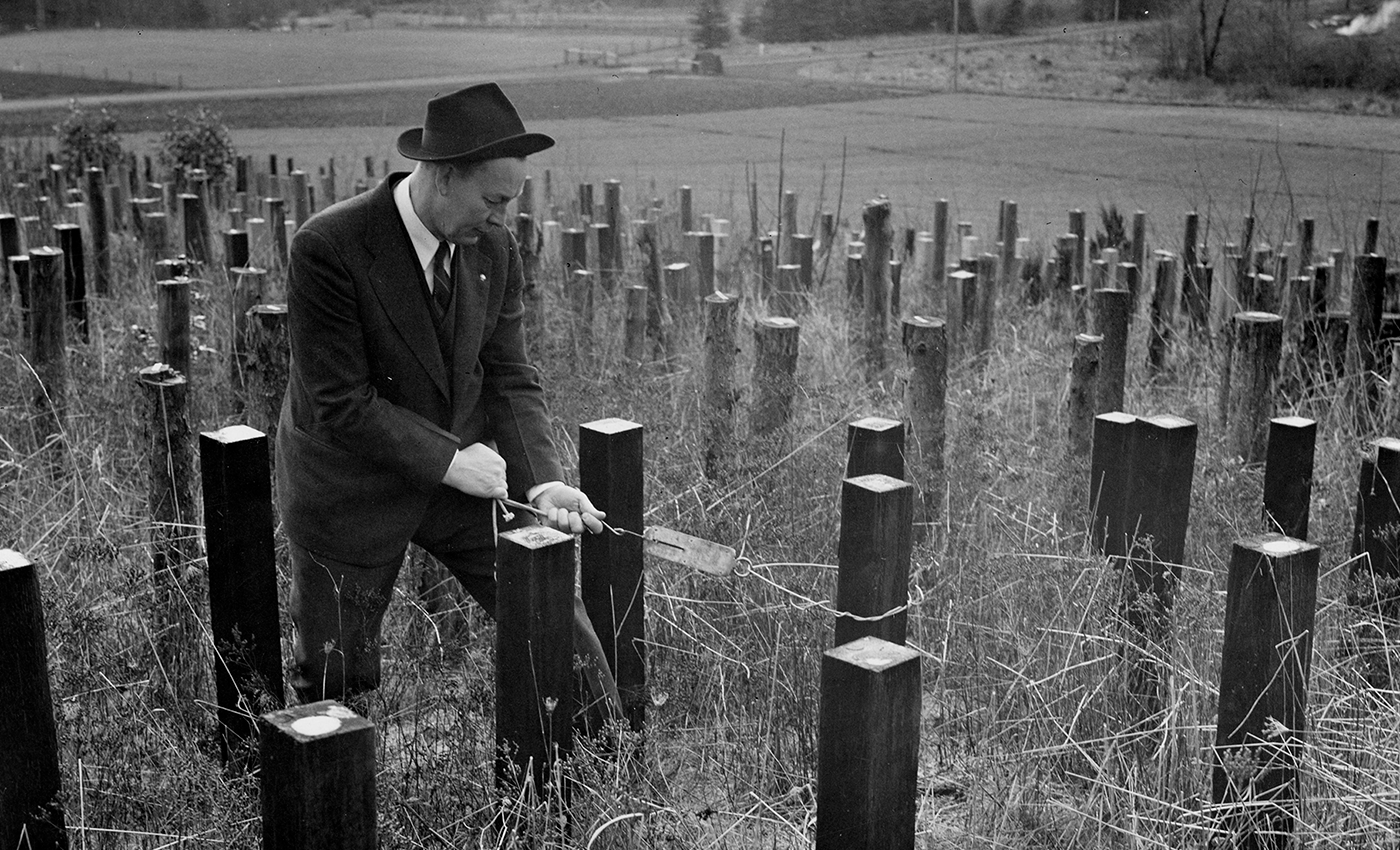
TJ Starker at pole farm

1928: Long-Term Research Takes Root: The Pole Farm

As early research took hold on the McDonald Forest, the Pole Farm was established in 1928 — one of the earliest studies on the forest and the oldest continuing research project on OSU’s research forests. The site was created to study wood preservation and durability, particularly for utility poles.

Today, the Pole Farm still serves as a testing site for the College of Forestry's Utility Pole Research Cooperative, where OSU researchers work with industry partners to test wood preservatives for effectiveness, longevity and environmental impact. Nearly a century later, the site remains an active example of long-term, applied research that helps inform wood product practices across the country.

Image
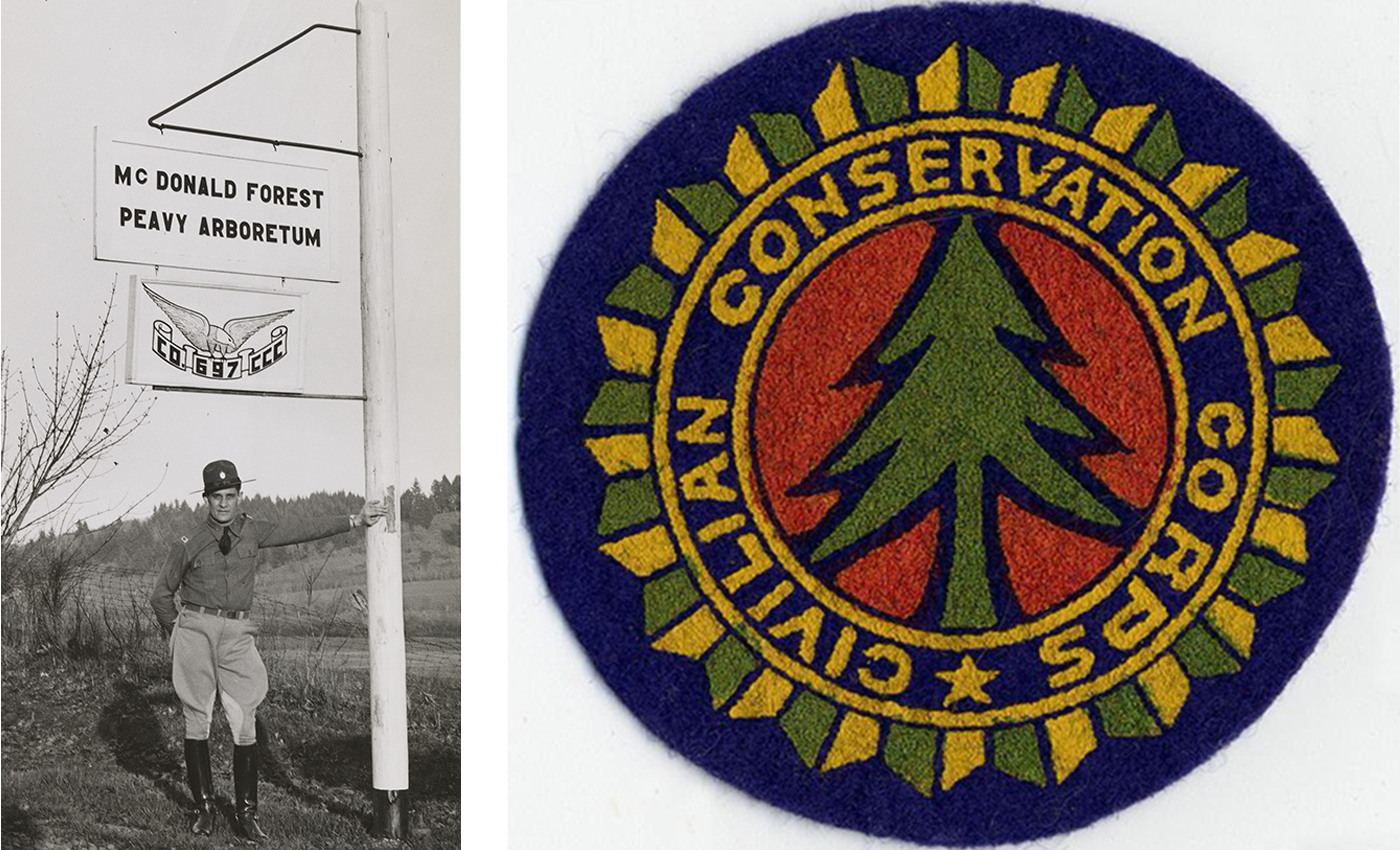
Civilian Conservation Corps logo

1933-1942: Civilian Conservation Corps at Peavy Arboretum

During the Great Depression, the federal government established Civilian Conservation Corps (CCC) Camp Arboretum at Peavy Arboretum as part of President Franklin D. Roosevelt’s New Deal. From 1933 to 1942, CCC crews helped shape the early forest by building roads and trails, expanding nursery operations, constructing Cronemiller Lake and supporting reforestation and fire prevention efforts.

One of the few remaining structures from this era is the sign shop — the former CCC barn located near the main forest entrance. Today, it stands as a visible reminder of the CCC’s lasting impact on the McDonald Forest and its role in supporting education, research and public access.

Image
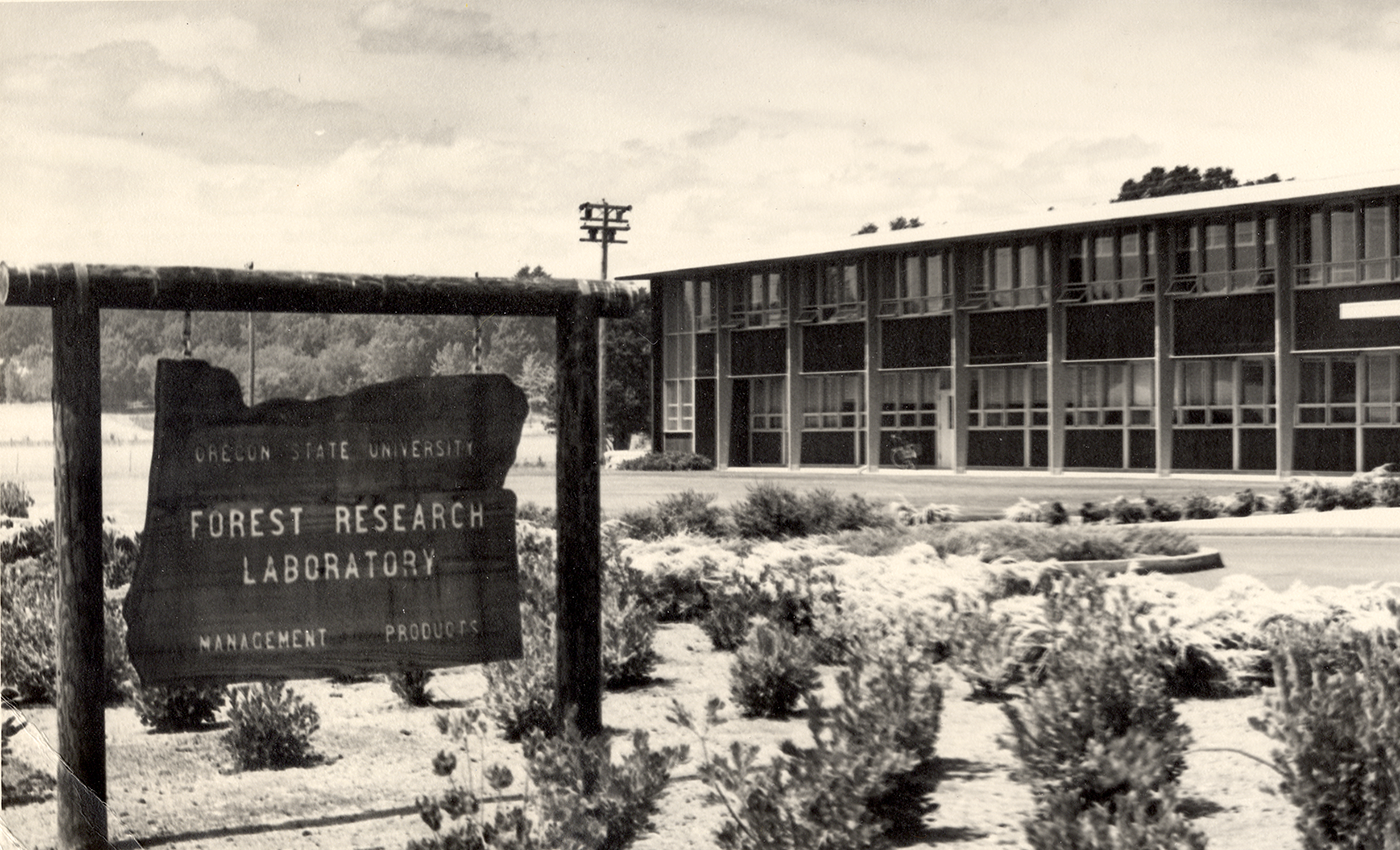
Forest Research Lab

1941: Oregon’s Forest Research Laboratory is Established

In 1941, the Oregon Legislature designated Oregon State College’s College of Forestry as Oregon’s Forest Research Laboratory (FRL), formally recognizing the college as the state’s center for forest research and applied science. This elevated the role of the McDonald Forest as an applied research and demonstration site and reinforced a stewardship approach grounded in active management and multiple forest values. Research and educational activities conducted on the forest support work in timber production, ecology, watersheds, wildlife habitat and education, and reflect an approach to managing forests as dynamic systems that balance environmental, economic and social outcomes.

1940s–1950s: Postwar Growth and Strategic Expansion

In the years following World War II, the College of Forestry grew rapidly as veterans returned to campus through the G.I. Bill and the profession began to evolve. The college graduated its first female student in 1945, reflecting a gradual broadening of forestry education.

In 1947, then-Dean Paul Dunn advocated for the acquisition of more than 6,200 acres of forestland adjacent to the McDonald Forest — land that would become the Dunn Forest — despite opposition from university leadership and within the college. Critics questioned the value of taking on land that had been used for military training at Camp Adair and carried both costs and constraints.

Dunn saw what others did not: that long-term, science-based forestry depends on scale, continuity and a range of forest conditions that enable research over time. The transfer of the property from the War Assets Administration required that it be used as a “teaching laboratory” to conduct useful research related to natural resources, with timber harvests permitted under sound forestry practices to support that work. That mandate aligned seamlessly with the McDonald Forest’s purpose and laid the foundation for their eventual management as a single, integrated research forest.

1960s–1970s: Changing Perspectives on Forest Science, Policy and Stewardship

By the 1960s and 1970s, advances in forest science and growing public concern for environmental quality were reshaping how forests were managed across the United States. Landmark policies, including the Endangered Species Act, reflected a broader understanding of forests as complex systems that support wildlife, clean water and resilient landscapes.

These shifts influenced management of the McDonald and Dunn Forests as well, reinforcing an approach to stewardship that emphasized multiple forest values, including timber production. The expanded, contiguous forestlands secured in earlier decades made it possible to study these different values at scale, demonstrating that conservation and active forest management can — and do — work together.

Image
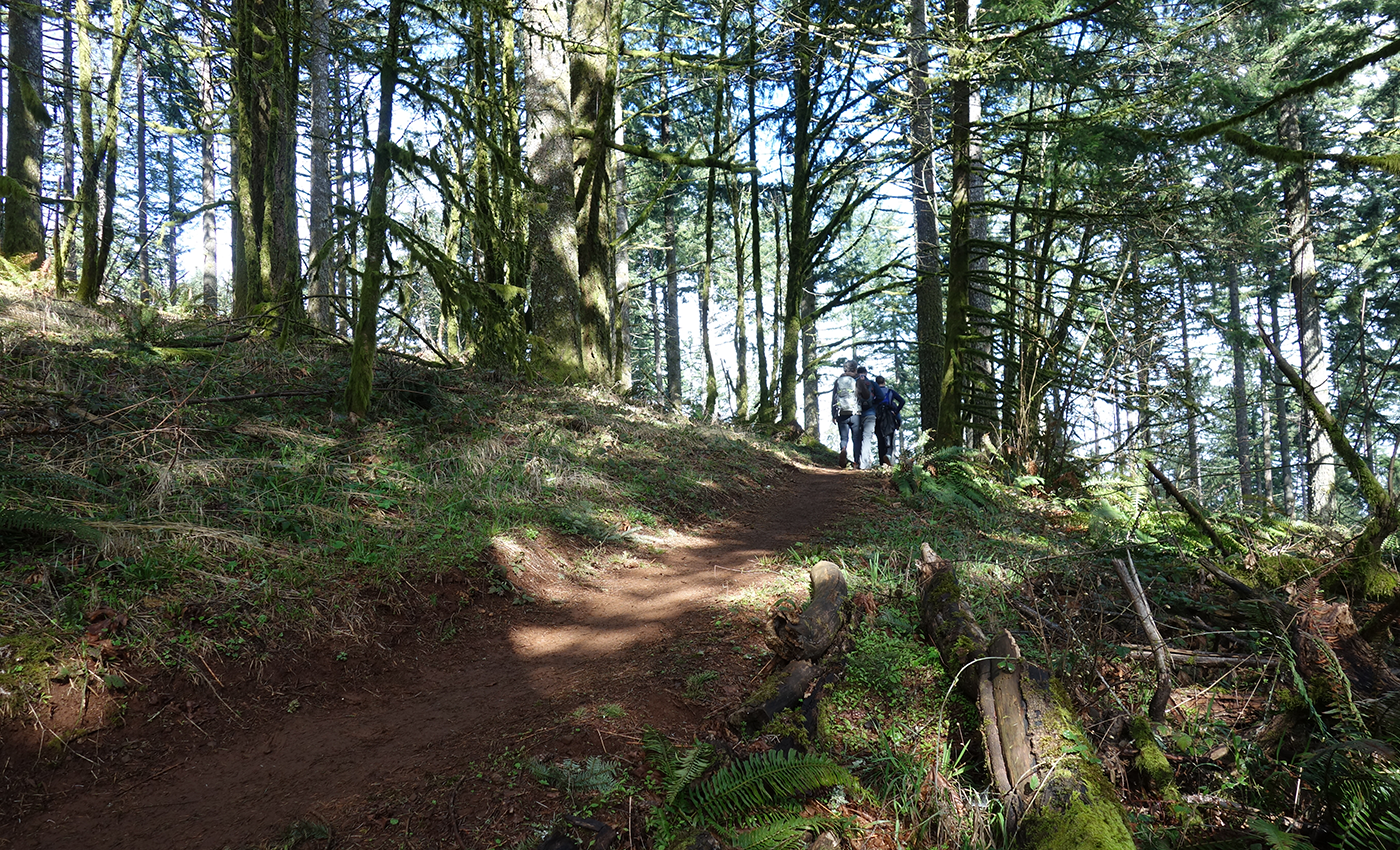
Hikers in research forest

1980s-1990s: An Era of Rapidly Expanding Public Use

During the 1980s and 1990s, Oregon State University began managing the McDonald and Dunn forests together as a single, contiguous research forest, reflecting a growing emphasis on landscape-scale stewardship and long-term research. This period also coincided with broader societal shifts that increased public interest in outdoor recreation nationwide, including at the McDonald-Dunn. Recreational use of the forest expanded rapidly — from an estimated 7,500 annual visits in 1980 to more than 65,000 by the mid-1990s — bringing new opportunities as well as management challenges. In response, College of Forestry developed the first comprehensive forest plan in 1993. The plan recognized the forest’s evolving role as both a working research forest and an increasingly valued outdoor recreation hub, and it established a framework to better balance research, teaching, forest management and access.

Image
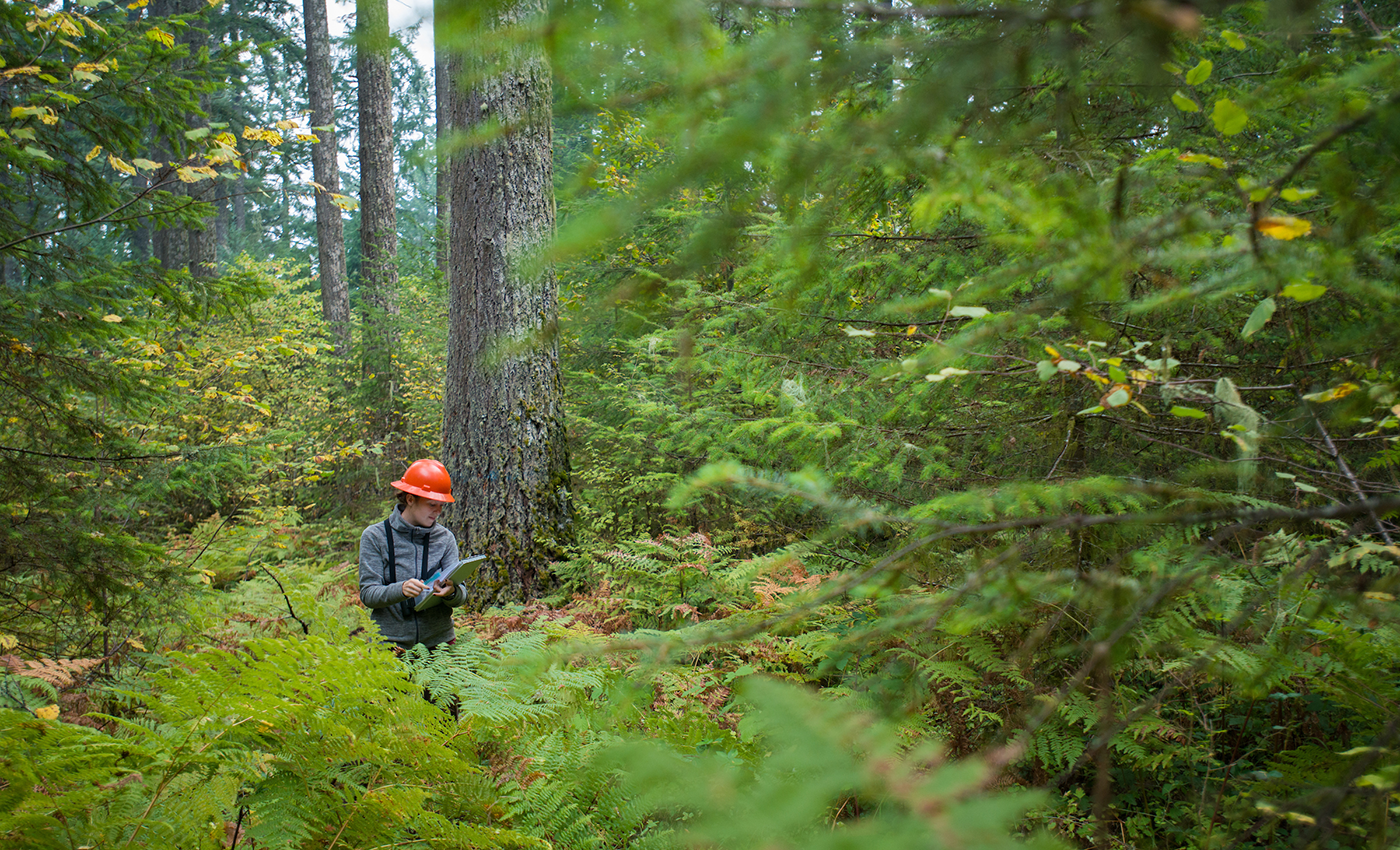
Women performing research in forest

2000s: Managing Growing Demands

By the early 2000s, the McDonald-Dunn Research Forest was supporting an expanding and increasingly complex set of demands. Student enrollment continued to grow, research priorities broadened to address issues such as forest resilience and climate change, and annual recreational visits exceeded 200,000. In 2005, the College of Forestry adopted a new forest management plan that established a more detailed framework for balancing multiple objectives. The plan reaffirmed the forest’s role as a working research and demonstration forest while emphasizing outcome-based management across research, teaching, timber production and recreation.

A few years later, the Great Recession triggered an unprecedented downturn in housing and lumber markets and the unprecedented economic shock exposed limitations in the 2005 plan’s ability to adapt to rapidly changing financial conditions, particularly given the costs associated with some management approaches and reduced staffing levels. In 2009, the plan was suspended to ensure the long-term viability of the forest.

Image
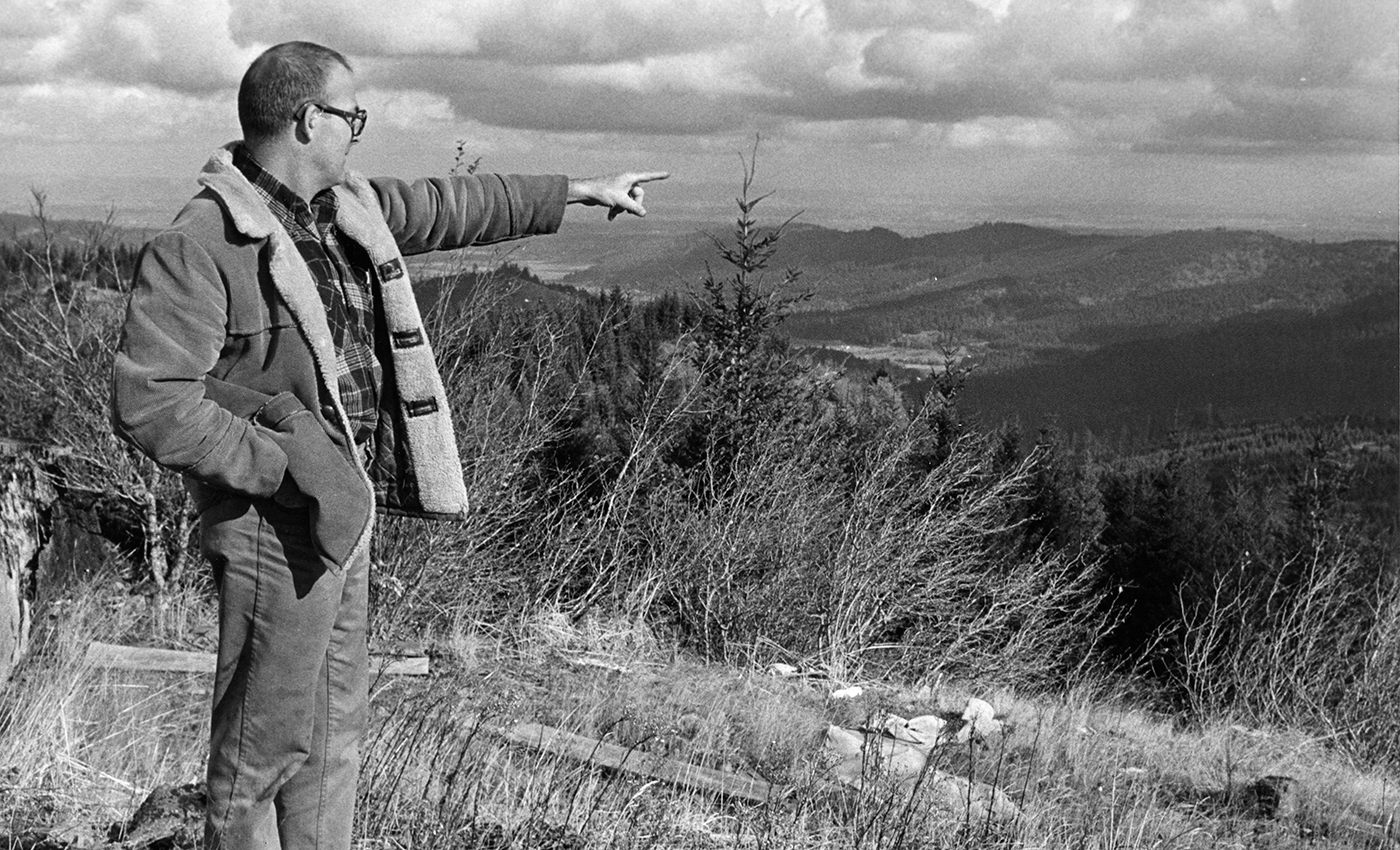
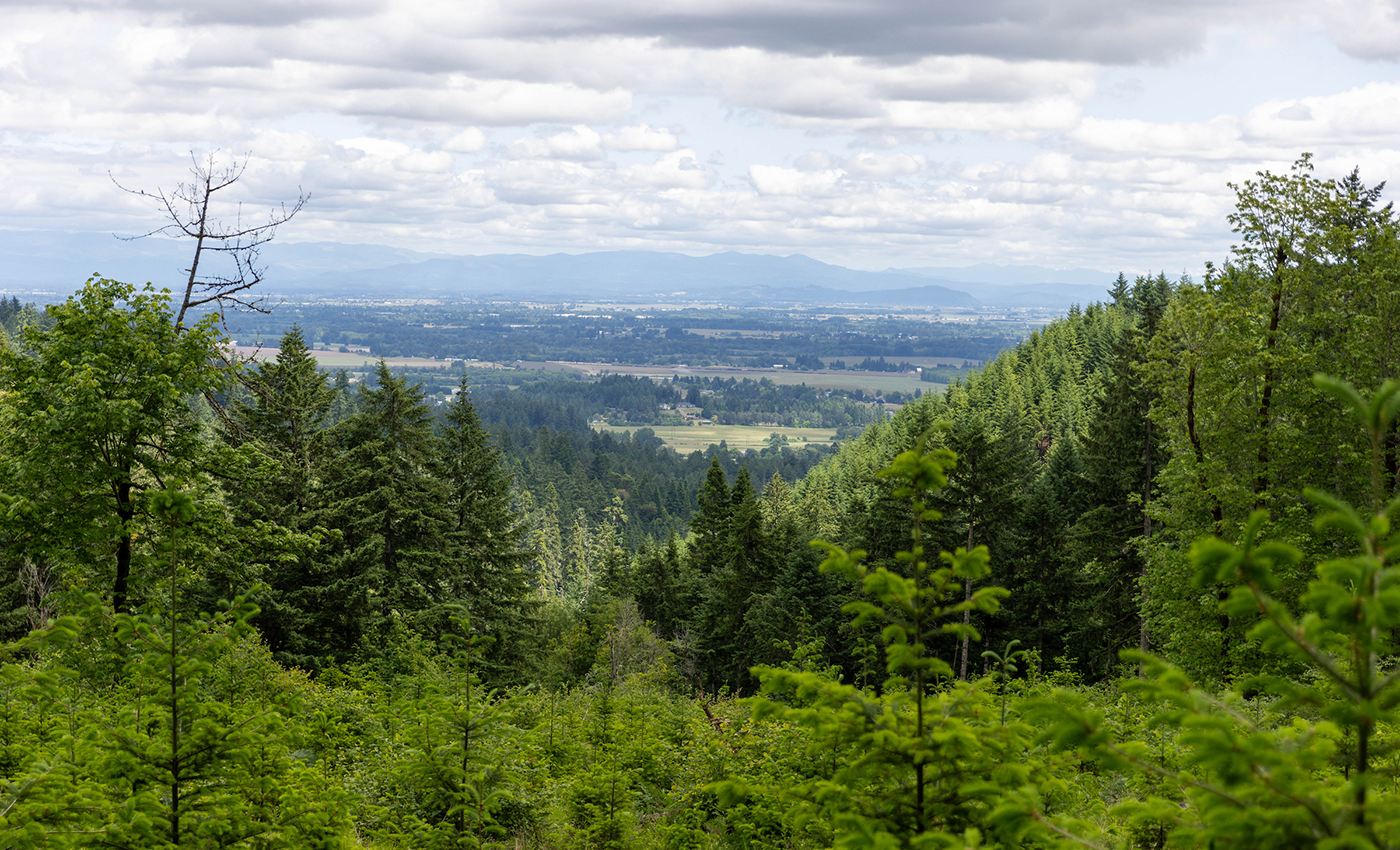
Valley view from the McDonald Forest

2010s: Stewardship Amid Uncertainty

Following the suspension of the 2005 plan, the McDonald-Dunn Forest was managed through annual plans of work, guided by professional forestry standards and focused on sustaining research, teaching and financial stability during a prolonged period of economic uncertainty and gradual recovery in housing and timber markets following the Great Recession. During this time, the College of Forestry was also evolving — expanding its work in areas such as mass timber, advanced forestry and interdisciplinary research, while investing in facilities and expertise to support the future of the profession.

In 2019, as part of a planned regeneration harvest with structural retention on the McDonald Forest, a collection of very old Douglas-fir trees were felled. The harvest prompted both internal and public concern and heightened interest in the management of the forest. To provide clearer guidance and transparency, the 2005 Forest Plan was temporarily reinstated until a new plan could be developed.

Image
Mary's Peak from McDonald Forest

2020–Present: Advancing a New Path Forward

In 2020, the College of Forestry launched a collaborative process to develop a new forest management plan for the McDonald-Dunn Forest, recognizing both the changes that had occurred over the past two decades and the forest’s enduring purpose. The goal was to ensure the forest continues to support research, teaching and outreach that generate science-based solutions to the challenges facing forests and society, even as policies, expectations and environmental conditions evolve while providing a recreational access for the surrounding communities.

After a three-year process involving faculty, students, Tribal partners, community members, recreational users and other stakeholders — with multiple opportunities for public input — the 2025 Forest Management Plan was finalized in December 2025 for implementation beginning in January 2026.

The updated plan reaffirms the McDonald-Dunn Forest’s original vision as a working research and learning laboratory, established through donor generosity to support education in forestry and natural resources practices. It provides a clear, long-term framework for stewardship that supports research, hands-on learning, ecological resilience, sustainable wood products and public access. Together, these commitments ensure the McDonald-Dunn Forest remains a dynamic, working landscape — grounded in its founding purpose and positioned to help shape the future of forestry for the next century and beyond.